01 / Request examples

A clear change. A useful result.

These examples show the kind of work you can request. Whether a particular update fits depends on its complexity and your plan’s task allowance.
Content

“Replace the prices on our services page.”

Send the page link and a list of the old and new prices. Point out any related labels that also need changing.
Team details

“Add Maya to our team section.”

Send her name, role, approved bio and photo. Tell us where she belongs in the existing team layout.
Layout

“Fix the spacing in this mobile section.”

Send the page link and a screenshot marking the problem. Include the phone or screen size where you noticed it.
Links & buttons

“Point this button to our new booking page.”

Identify the button, provide the destination URL and include any replacement button text.
Publishing

“Publish this finished blog post.”

Send the final copy, title, images and any links to include. We’ll use the website’s existing post layout.
Pages & sections

“Add a service using this existing layout.”

Link to the page or section to reuse and supply the new content. The work must fit your plan’s scope; a new custom design needs a separate quote.
Pro only

"Small WooCommerce updates"

Pro includes focused updates to an existing WooCommerce store. Send us the approved details and we can update a product’s text, price, images, stock status, or existing category; add a simple product; or make a small change to an existing shop section. Each request covers one focused outcome and is handled one at a time.

Routine maintenance is included, too.

Both plans include routine WordPress, theme, existing-plugin and Elementor updates. This does not include hosting administration, malware removal or emergency recovery.
02 / How requests work

One request. One clear outcome.

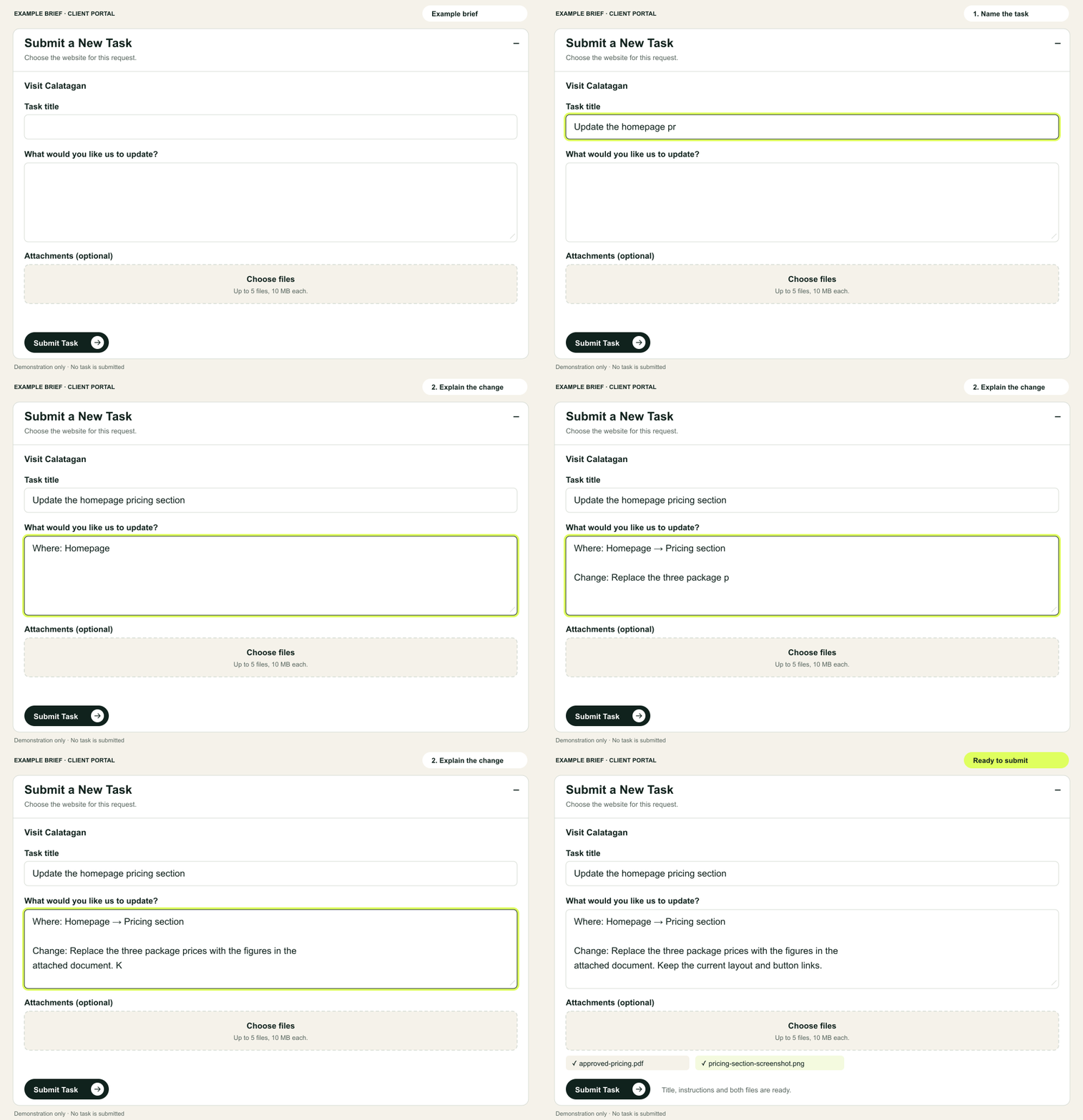
Tell us what you want changed, where it appears, and provide any text or images we’ll need. Related edits that achieve the same outcome can go together. Different outcomes should be sent as separate requests.
One focused request

Update the homepage pricing section.

Replace the prices and matching labels in that section using the supplied details.
Separate requests

Update pricing, publish a blog and fix the menu.

These have different outcomes. Complete one task, then submit the next.
Both plans cover one Elementor website, with one active task at a time. Unlimited requests do not mean simultaneous work or unlimited project scope.
03 / Before you submit

A little detail helps us get it right.

Keep the brief, content and feedback together in your client portal. Use the checklist to make your request easy to follow.

01

The exact page or section

Include the URL and identify what should change. A marked-up screenshot helps.
02

The outcome you want

Include the URL and identify what should change. A marked-up screenshot helps.
03

Final copy and files

Attach approved text, images or downloads, plus any destination links. You supply the content.
04

Any layout reference

For a new page or section, link to the existing layout you want us to reuse.
04 / Outside the subscription
A subscription covers focused updates to your existing website.
A couple of useful checks

Not sure where your request fits?

Describe the result you need and include the relevant page and files. We’ll assess whether it fits your plan’s task allowance before starting. If it needs a separate scope, we’ll explain why.
A larger build or custom design is still outside the subscription, even if it can be described as several small steps. Focused updates to existing layouts may fit; larger projects need a separate quote.